
Spring Exterior Cleaning Guide for Maryland Homes: Vinyl Siding and Surface Washing
Key Takeaways:
- Soft washing uses low pressure and cleaning solutions to safely remove algae, mildew, and grime from delicate surfaces.
- Pressure washing uses higher force and is best suited for durable materials like concrete and pavers.
- Vinyl siding, painted wood trim, and roofs typically require soft washing to prevent cracking, peeling, or water intrusion.
- Proper pressure washing safety includes adjusting pressure levels, pre-treating surfaces, and protecting surrounding landscaping.
- Hiring an experienced contractor ensures the correct method is used for each surface during spring exterior cleaning.
Spring cleaning is not just about timing. To be the most effective, the technique also matters.
As Maryland homeowners begin tackling exterior maintenance, one question comes up often: which method is safer and more effective for my property?
Understanding soft washing vs. pressure washing is essential for protecting siding, trim, concrete, and roofing materials. The wrong approach can lead to unnecessary damage. The right one restores your home safely and thoroughly.
Here is how to determine what method fits each surface and how to prioritize pressure washing safety this spring.
The Difference Between Soft Washing and Pressure Washing
At a glance, both methods use water to clean exterior surfaces. The difference lies in pressure level and cleaning technique.
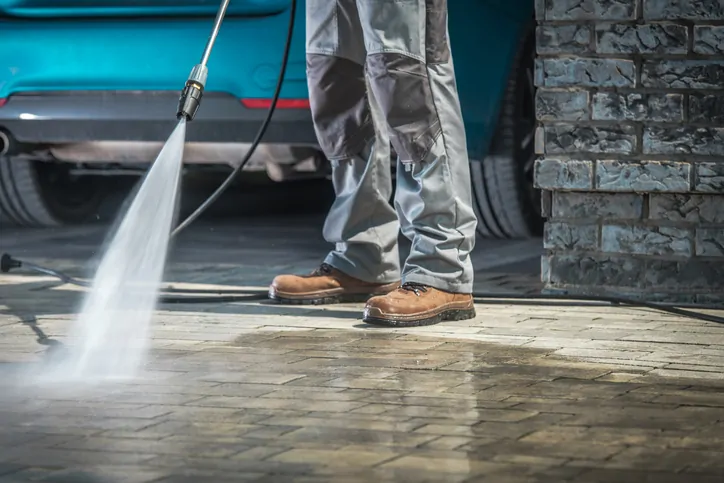
Pressure washing uses high-pressure water to remove dirt, grime, and stains from durable surfaces like concrete. It relies heavily on force to lift buildup.
Soft washing, by contrast, uses low-pressure water combined with specialized cleaning solutions. Instead of blasting contaminants away, it breaks them down chemically and rinses them off gently.
The key distinction is control. High pressure is effective, but only when used on materials designed to withstand it. Soft washing is ideal for delicate or painted surfaces that can be damaged by excessive force.
Quick Rule of Thumb: What Method Fits What Surface
If you need a simple guideline:
- Hard, non-porous surfaces like concrete → Pressure washing
- Siding, painted surfaces, and roofing materials → Soft washing
- Older or fragile materials → Soft washing
The goal is always the same — remove buildup without harming the material underneath.
When evaluating soft washing vs. pressure washing, the real question is not which cleans better. It is which cleans safely.
Vinyl Siding: When Soft Washing Is Best
Vinyl siding is one of the most common exterior materials in Maryland homes. It is durable, but not designed for aggressive pressure.
High pressure can:
- Force water behind panels
- Loosen seams
- Create cracks or warping
- Strip oxidation unevenly
Soft washing is typically the safer choice for siding because it removes algae, mildew, and dirt at the root without damaging the surface.
Spring is especially important for siding cleaning. After winter, salt film and grime cling to lower panels. As temperatures rise, green algae begins to form in shaded areas. A professional soft wash eliminates this buildup before it spreads further.
Painted Wood Trim and Older Surfaces: Avoiding Damage
Painted wood trim, soffits, fascia boards, and historic materials require extra care.
High-pressure washing can:
- Strip paint prematurely
- Splinter wood fibers
- Drive moisture into joints
- Accelerate peeling
Older surfaces are even more vulnerable. Many Maryland homes — particularly historic properties — have materials that demand a gentle approach.
Soft washing cleans these areas thoroughly while protecting paint integrity and preventing unnecessary repairs. For homeowners concerned about maintaining curb appeal without triggering repainting projects, this approach offers both safety and longevity.
Concrete and Pavers: When Pressure Washing Is Appropriate
Concrete driveways, sidewalks, patios, and pavers are built to withstand higher pressure. In these cases, pressure washing is not only appropriate; it is often necessary.
Winter leaves behind:
- Salt residue
- Embedded mud
- Tire marks
- Organic staining
Properly calibrated pressure washing removes deep-set grime and restores brightness.
However, pressure washing safety still matters. Too much pressure can etch concrete, leaving visible lines or weakening the surface. Uneven technique can cause striping or damage mortar joints between pavers.
Professional-grade surface cleaners distribute pressure evenly, protecting the integrity of the material while delivering consistent results.
Roofs: Why Pressure Is Usually the Wrong Choice
One of the most common exterior cleaning mistakes is pressure washing a roof.
Asphalt shingles, cedar shakes, and composite roofing materials are not designed for high-pressure water. Using excessive force can:
- Dislodge granules from shingles
- Shorten roof lifespan
- Void manufacturer warranties
- Drive water beneath roofing layers
Roof cleaning is almost always a soft washing application. Specialized cleaning solutions break down black streaks, moss, and algae without damaging shingles.
If a contractor suggests high-pressure roof cleaning, it is worth asking more questions. In most cases, a low-pressure system is the safer, longer-lasting solution.
What to Ask a Contractor Before Booking
Choosing the right cleaning method is just as important as choosing the right company.
Before booking spring exterior cleaning, ask:
- What method will you use for each surface?
- How do you adjust pressure for different materials?
- Do you pre-treat surfaces before washing?
- How do you protect landscaping and surrounding areas?
- Are you insured and experienced with my type of home?
A knowledgeable contractor should clearly explain their approach to soft washing vs. pressure washing and prioritize pressure washing safety in every recommendation.
At Pristine Inc., every project begins with a surface evaluation. We determine which materials require gentle treatment and which can handle higher pressure — ensuring the right solution for each area of your home.
Get a Spring Cleaning Recommendation
Spring is the perfect time to refresh your home’s exterior, but using the wrong method can create avoidable problems.
Whether you need siding cleaned safely, concrete restored, or a full exterior refresh, understanding the difference between soft washing vs. pressure washing ensures your property is treated properly.
If you are unsure which method your home requires, Pristine Inc. is here to help. Our team provides honest assessments, surface-specific cleaning plans, and professional service designed to protect your investment.
Contact Pristine Inc. today to schedule your spring exterior evaluation and get a customized cleaning recommendation for your home.